Small Kitchen Makeover: Bold Primaries & Wabi-Sabi Teak Accents
The “Tiny But Mighty” Small Kitchen Makeover: Bold Primaries Meet Zen Teak
Picture this: It’s 7:00 AM, and you’re stumbling into your kitchen, which currently feels less like a Pinterest dream and more like a cluttered hallway where a toaster went to die. We’ve all been there. You want that “big house energy,” but you’re working with a footprint that barely fits a microwave and your favorite mug. For the longest time, the rule for a small house kitchen transformation with bold color was… don’t do it. We were told to paint everything hospital-white and pray the walls wouldn’t close in. Well, grab your coffee, because we’re officially breaking that rule today.
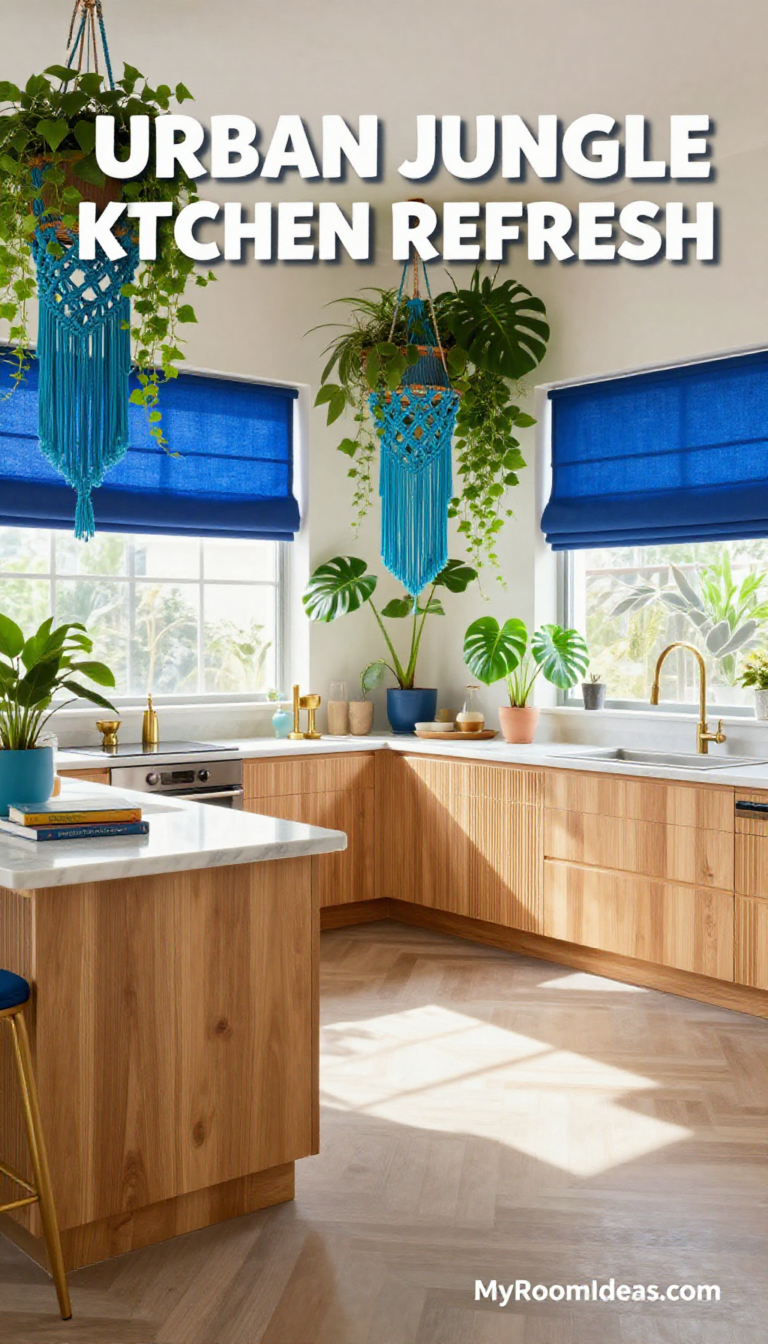
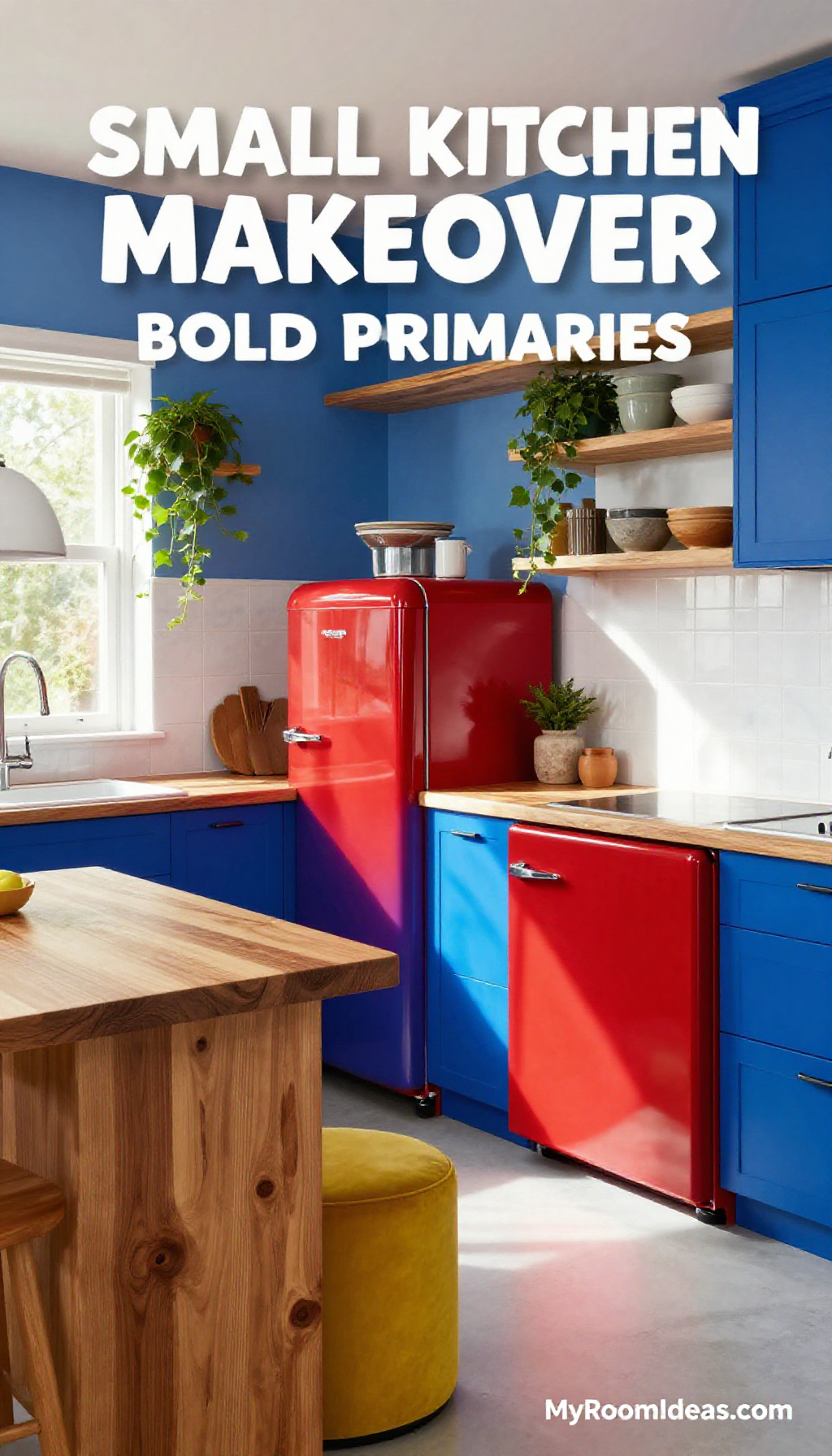
I recently helped a friend tackle her cramped galley kitchen, and we decided to toss the “safe” playbook out the window. Instead of playing it small, we went 100% bold. We’re talking punchy primary colors—think Lego-set vibes but elevated—balanced out by the earthy, “perfectly imperfect” soul of Wabi-Sabi teak. It sounds like a chaotic blind date on paper, but in reality? It’s basically a warm hug from a very stylish artist. Using natural materials like raw wood alongside glossy reds or deep blues makes the space feel expensive rather than just “bright.”
The secret sauce here is the Alabaster. It acts as the palate cleanser that keeps the bold colors from screaming at you. When you mix that crispness with the honeyed tones of teak, you get a vibe that is 2026-ready: cozy coffee shop meets high-end industrial loft. It’s a small house kitchen transformation with bold color that actually feels bigger because your eye is too busy admiring the textures to notice the square footage.
But wait, where do we put the trash can and the oversized bag of kale? That’s where the “affordable luxury” magic comes in. We’re integrating clever seating and unexpected storage solutions that would make a New York studio dweller weep with joy. Ready to see how we turned a cramped cooking corner into the crown jewel of the house?
Before we dive into the “how-to,” let’s look at the finished vibe that’s currently living rent-free in my brain.
Why This Chaos-to-Calm Combo Actually Works
You might be asking, “Why primaries? Why now?” Here’s the tea: we’re moving away from the ‘sad beige’ era. Psychology-wise, bold primary colors—Red, Blue, and Yellow—trigger feelings of nostalgia and high energy. In a kitchen, that translates to a space where you actually want to cook dinner instead of just ordering Thai food for the third time this week. It’s vibrant, it’s confident, and it says you aren’t afraid of a little personality.
However, bold color without a “ground” can feel manic. That’s where the Wabi-Sabi philosophy enters. Wabi-Sabi is all about appreciating the beauty in things that are weathered, natural, and authentic. By adding teak & alabaster, you’re adding “earth” to the “fire” of the colors. Teak has this incredible natural oil content that feels velvety to the touch and ages beautifully, while Alabaster stone (or a really good matte finish) provides a soft, diffused glow that bounces light around a small space.
It’s the ultimate 2026 trend because it feels human. In a world of AI and plastic, having a rough-sawn teak shelf or a hand-poured slab feels grounded. It’s like wearing a bright red power suit with your favorite, most comfortable worn-in sneakers. Total effortless cool. For more ways to bring this vibe to the rest of your home, check out these living room design ideas that play with similar textures.
The Color Palette: Not Your Toddler’s Playroom
The trick to pulling off primary colors in a grown-up kitchen is choosing “complex” versions of those shades. You want colors that change with the light. Here is the specific breakdown we used to keep things sophisticated.
The “Power Three” and Their Neutral Anchor
- The Red: Benjamin Moore ‘Heritage Red’ (HC-181). It’s a classic, deep red that feels historic rather than frantic. (Hex: #9F2C2C)
- The Blue: Sherwin-Williams ‘Naval’ (SW 6244). A deep, soulful navy that acts as a neutral but with 100x more depth. (Hex: #2F394B)
- The Yellow: Benjamin Moore ‘Stuart Gold’ (HC-10). A mustard-leaning ochre that mimics the glow of sunset on teak wood. (Hex: #BF9B5F)
- The Anchor: Sherwin-Williams ‘Alabaster’ (SW 7008). The GOAT of off-whites. It’s warm, creamy, and keeps the primaries from feeling too clinical. (Hex: #F2F0E6)
If you only pick one: Go for the Blue. A navy island or navy lower cabinets with teak countertops is a timeless look that never goes out of style. It’s the “little black dress” of kitchen design ideas. If you’re feeling extra spicy, jump over to The Pink Decor for some inspiration on how to mix these primaries with softer tones.
Design Elements: The High-Low Mix
In a small kitchen, every single item has to work for its living. You don’t have room for “just okay” pieces. To get that “affordable luxury” look, we did what every designer does: we spent the money where you touch it, and saved it where you see it.
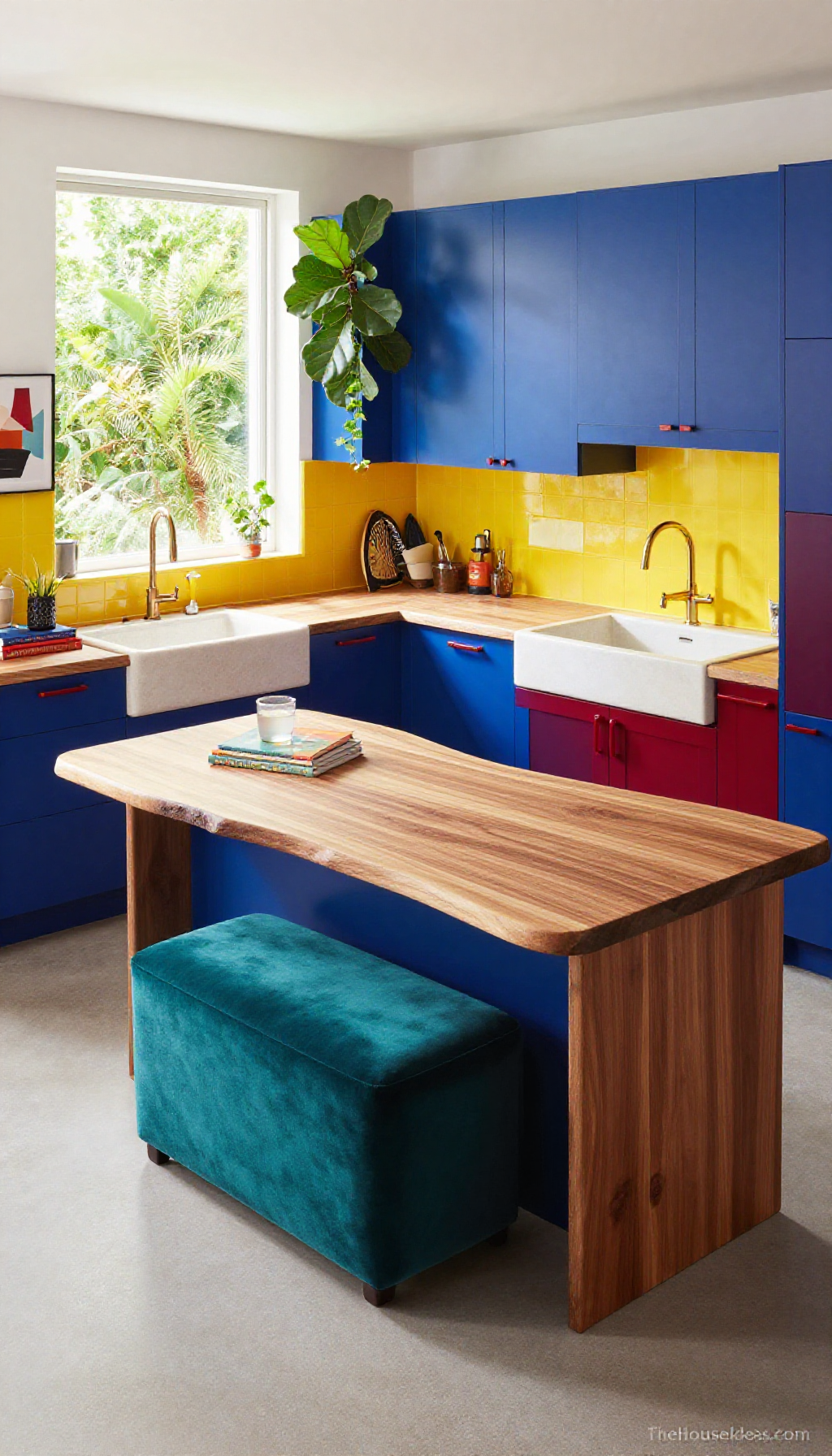
For the layout, we embraced the Ottoman Storage hack. In a small kitchen, a traditional kitchen island can feel like a bulky intruder. Instead, we used a heavy-duty teak storage ottoman with a flat wooden top. It doubles as a seat when you’re sipping wine and waiting for the pasta to boil, and the inside hides all those massive appliances you only use once a year (looking at you, air fryer). Look at West Elm or CB2 for these—their teak finishes are top-tier.
Lighting is your best friend here. We ditched the basic boob-light and installed an Alabaster pendant from Arteriors (a splurge!) over the sink. It glows like a moon when it’s on. To save money, we grabbed IKEA SEKTION cabinets but swapped the doors for semi-handmade teak fronts. It gives you the custom look for a quarter of the price. If you’re feeling inspired to refresh other tiny spaces, these bathroom decor tips will help you keep the momentum going.
Step-by-Step: The Weekend Warrior’s Guide
- The Great Purge (2 Hours): Before you touch a paintbrush, get rid of everything you haven’t used since 2022. If it’s chipped, broken, or “ugly but functional,” it goes. We need a clean slate.
- The Alabaster Base (1 Day): Paint your walls and ceiling Sherwin-Williams Alabaster. Painting the ceiling the same color as the walls trick the eye into thinking the room is taller. Real talk: Painting ceilings sucks, but it’s worth it.
- Bolding the Bottoms (1 Day): Paint your lower cabinets in your chosen primary (we love the Naval blue). Keeping the dark color on the bottom grounds the room, while keeping the top light feels airy.
- The Teak Touch (4 Hours): Install floating teak shelves. Use Amazon or local wood shops for raw teak planks. Don’t worry about perfect grain—Wabi-Sabi is about the knots and swirls!
- Hardware Swap (2 Hours): Replace boring silver handles with aged brass or matte black. This is the “jewelry” of the kitchen. Target’s Hearth & Hand line often has great affordable options.
- The Ottoman Integration (30 Mins): Slide in your storage ottoman. Make sure it’s on casters if you want to move it around while cooking.
- Sensory Styling (1 Hour): Add a linen tea towel, a wooden bowl filled with lemons (the yellow pop!), and a small Alabaster tray for your dish soap.
Total time? One very busy weekend and a few pizzas later, you have a brand-new kitchen. It’s easier than a home office setup because the footprint is smaller, so every change feels massive.
The Shopping Guide: From Steals to Splurges
Building a kitchen that looks like a million bucks doesn’t actually require a million bucks. Here is the “cheat sheet” the pros use.
Budget-Friendly (Under $100)
- Teak Cutting Boards: $35 – $60 (Target or Amazon). Lean them against your backsplash for instant texture.
- Peel-and-Stick Backsplash: $45 (Wayfair). Look for an Alabaster-inspired matte marble look.
- Primary Color Stand Mixer Cover: $20 (Etsy). A quick way to hide a mismatched appliance with a pop of red.
Mid-Range ($100 – $500)
- Teak Storage Ottoman: $250 – $400 (West Elm or Article). Genuine wood makes the whole room feel richer.
- Semi-Handmade Cabinet Fronts: $300 – $500 (depending on kitchen size). Upgrade your IKEA base.
- Modern Aged Brass Faucet: $180 (Kohler or Delta). It’s the first thing people notice.
The Splurge ($500+)
- Alabaster Pendant Lighting: $600 – $1,200. Authentic stone light fixtures are heavy, beautiful, and timeless.
- Custom Teak Countertop: $800+. It requires maintenance (oil it once a month!), but it feels like butter.
If you’re still looking for more ideas on where to spend your hard-earned cash, The House Ideas has some incredible galleries for budget-to-luxury transformations.
Mistakes to Avoid (Learn from My Mess-ups!)
- Over-Matching the Primaries: Don’t buy a red toaster, red kettle, and red towels. It starts to look like a themed diner. Use the primary color for one big element (cabinets) and let the others be tiny accents.
- Ignoring Lighting Temperature: Do NOT use “cool white” bulbs. They make primary colors look harsh and Alabaster look gray. Stick to “Warm White” (2700K-3000K).
- Forgetting the “Wabi” in Wabi-Sabi: People often try to make teak look too perfect. If it gets a water ring or a scratch, let it be. It adds “soul.”
- The “Too Much Dark” Trap: In a small house, if you paint everything navy, it will feel like a cave. Keep your uppers light or use open teak shelving.
- Skipping the Ottoman Storage: Trust me, you need that extra spot for the blender. Don’t think you can live without it in a small space!
Frequently Asked Questions
Is teak too hard to maintain in a kitchen?
Not if you’re cool with a little character! Teak is naturally water-resistant (they use it on boats!), but it will darken over time. Just wipe spills quickly and give it a food-safe oiling twice a year. It’s part of the Wabi-Sabi charm!
How do I make bold colors not feel “closing in”?
Keep your bold color below eye level. When your upper cabinets or shelves are light (Alabaster), the “weight” of the room stays on the floor, which keeps the ceiling feeling high and breezy.
What is Ottoman Storage and why do I need it?
It’s essentially a hollowed-out footstool that looks like furniture but hides your clutter. In a small kitchen, it acts as a movable seat, a prep station (if the top is flat wood), and a “junk drawer” for bulky items.
Can I mix different woods with teak?
Yes! But try to keep the undertones similar. Teak is warm/orange-toned, so it plays well with white oak or walnut. Avoid gray-toned woods—they’ll clash like orange and purple.
If my kitchen gets zero natural light, can I still do this?
Absolutely—in fact, bold colors can thrive in dark rooms because they create their own vibe. Just double down on your Alabaster lighting to make sure the “moody” doesn’t become “gloomy.”
Is this look “too 2026” or will it last?
Natural materials (teak) and classic primary colors are never truly out. They’ve been around since the Bauhaus movement in the 1920s. We’re just giving them a fresh, Wabi-Sabi hug!
Making the Dream Reality
Transforming your small house kitchen doesn’t require a sledgehammer or a second mortgage. It just requires a little bit of bravery and a whole lot of teak. By choosing a small house kitchen transformation with bold color, you’re telling the world that your home is a reflection of your vibrance, not just a place to store your cereal boxes. The mix of bold primaries and earthy Wabi-Sabi teak creates a space that feels curated, lived-in, and inexplicably “you.”
Remember, your kitchen is the heart of the home, even if that heart is only 50 square feet. Use that Alabaster to bring the light, the teak to bring the warmth, and the primary colors to bring the “wow.” You deserve a space that makes you feel like a chef even when you’re just making toast. If you’re feeling the itch to keep the makeover train rolling, peek at some bedroom inspiration for your next project.
So, here’s your homework: Go pick out ONE bold paint sample this weekend. Slap it on the wall. See how it dances with the light. I promise you, once you start adding personality to your small space, you’ll never want to go back to “safe” again. Now, who’s ready to build a teak shelf? You’ve got this!