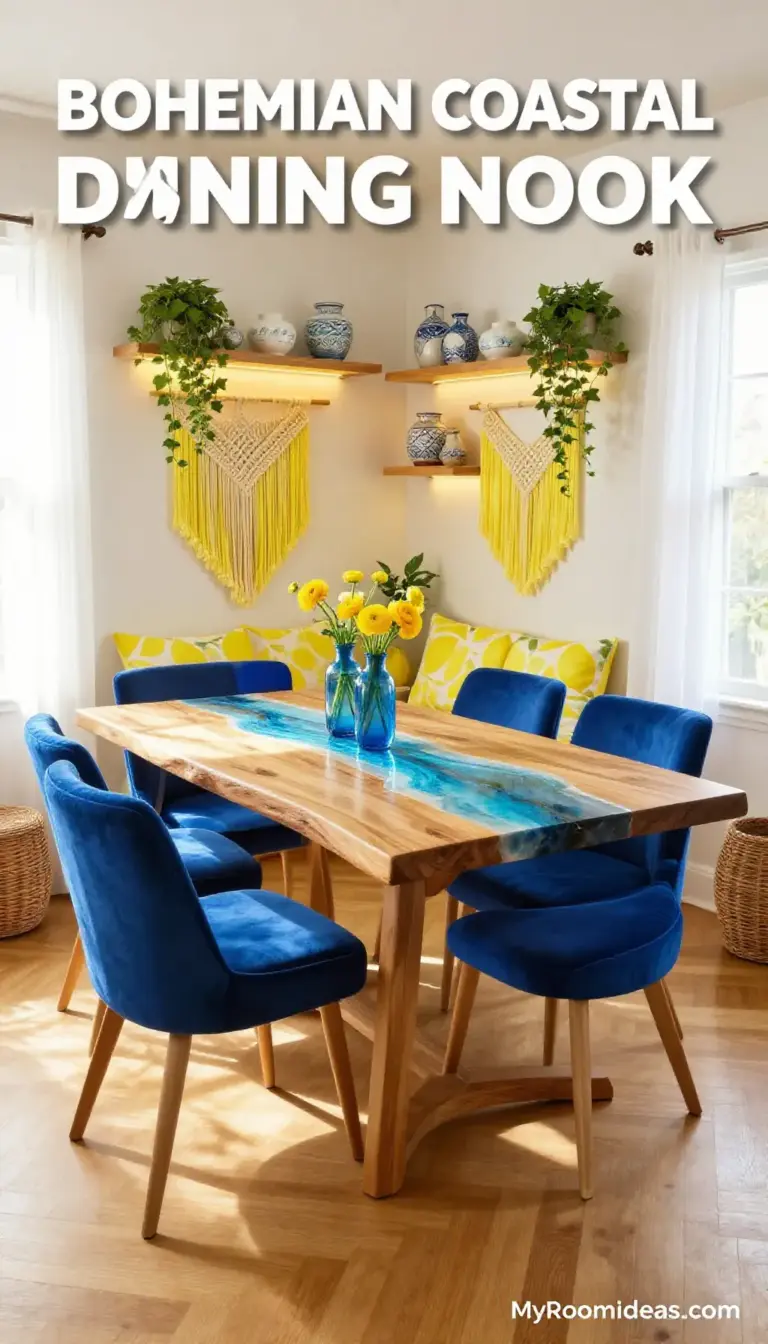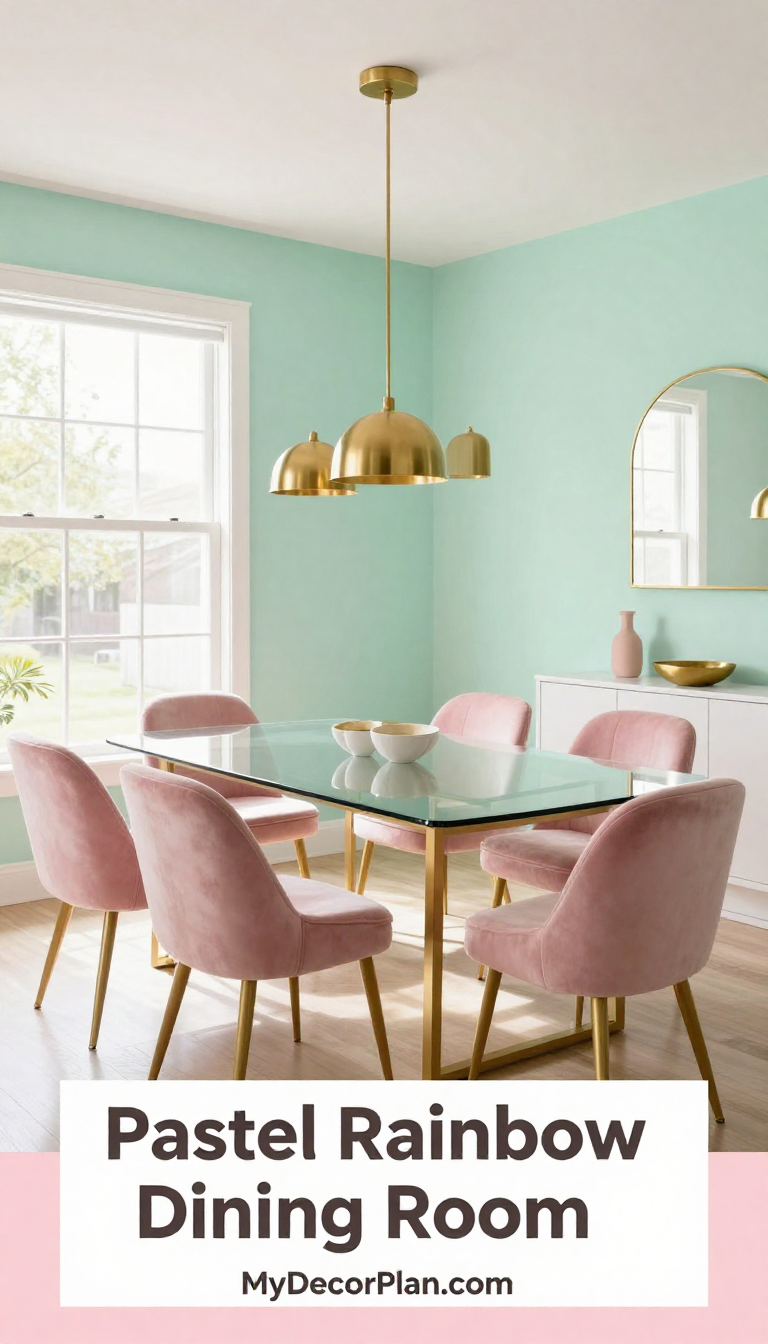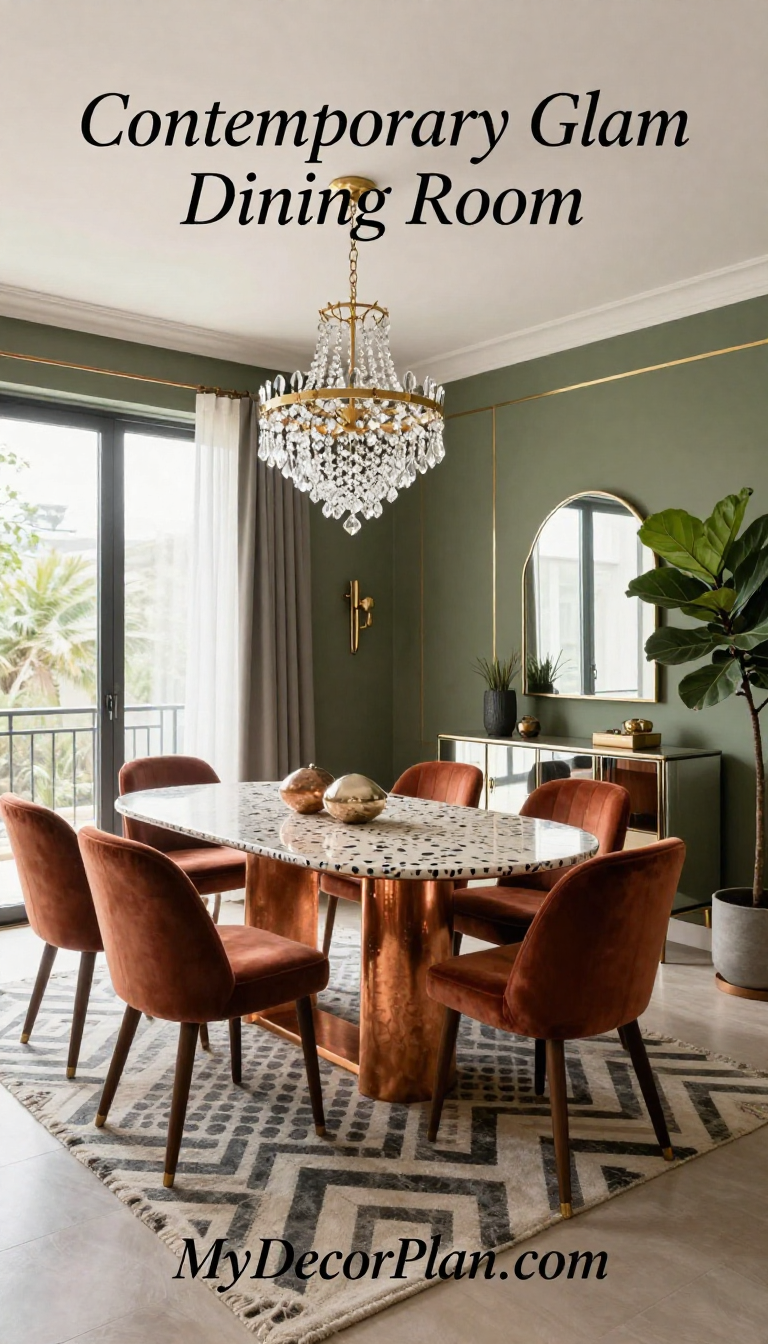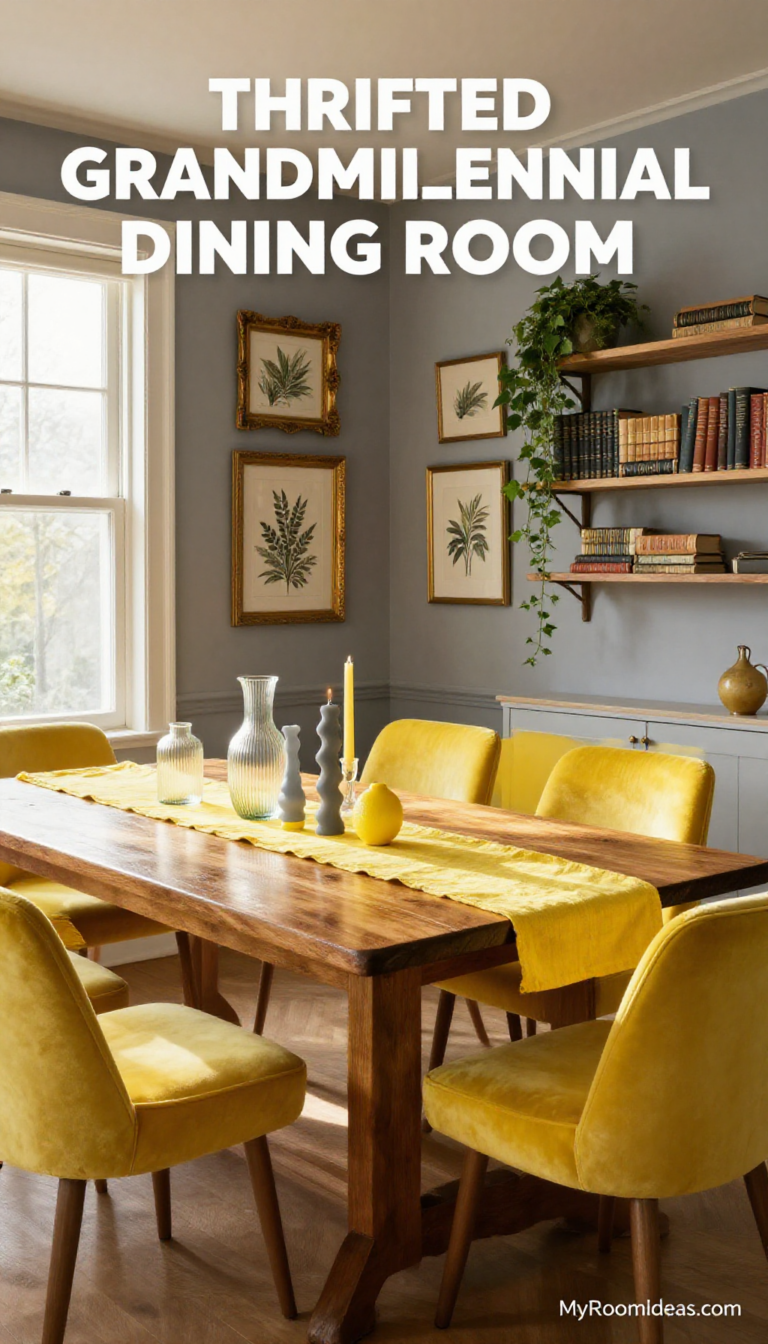
Cozy Coastal Chic Basement Dining Nook – Travertine Table & Linen Chairs
The Dungeon Makeover: Crafting a Coastal Nook Where the Sun (Almost) Always Shines
Let’s be real for a second: most basements feel like the place where forgotten workout equipment and half-empty cans of paint go to die. It’s usually cold, a little echoes-of-the-abyss-ish, and definitely not the spot you’d choose for a candlelit dinner. But what if I told you your basement suite could actually be the chicest “hidden gem” in your house? We’re talking a vibe that’s less “laundry day” and more “boutique hotel in Malibu.”
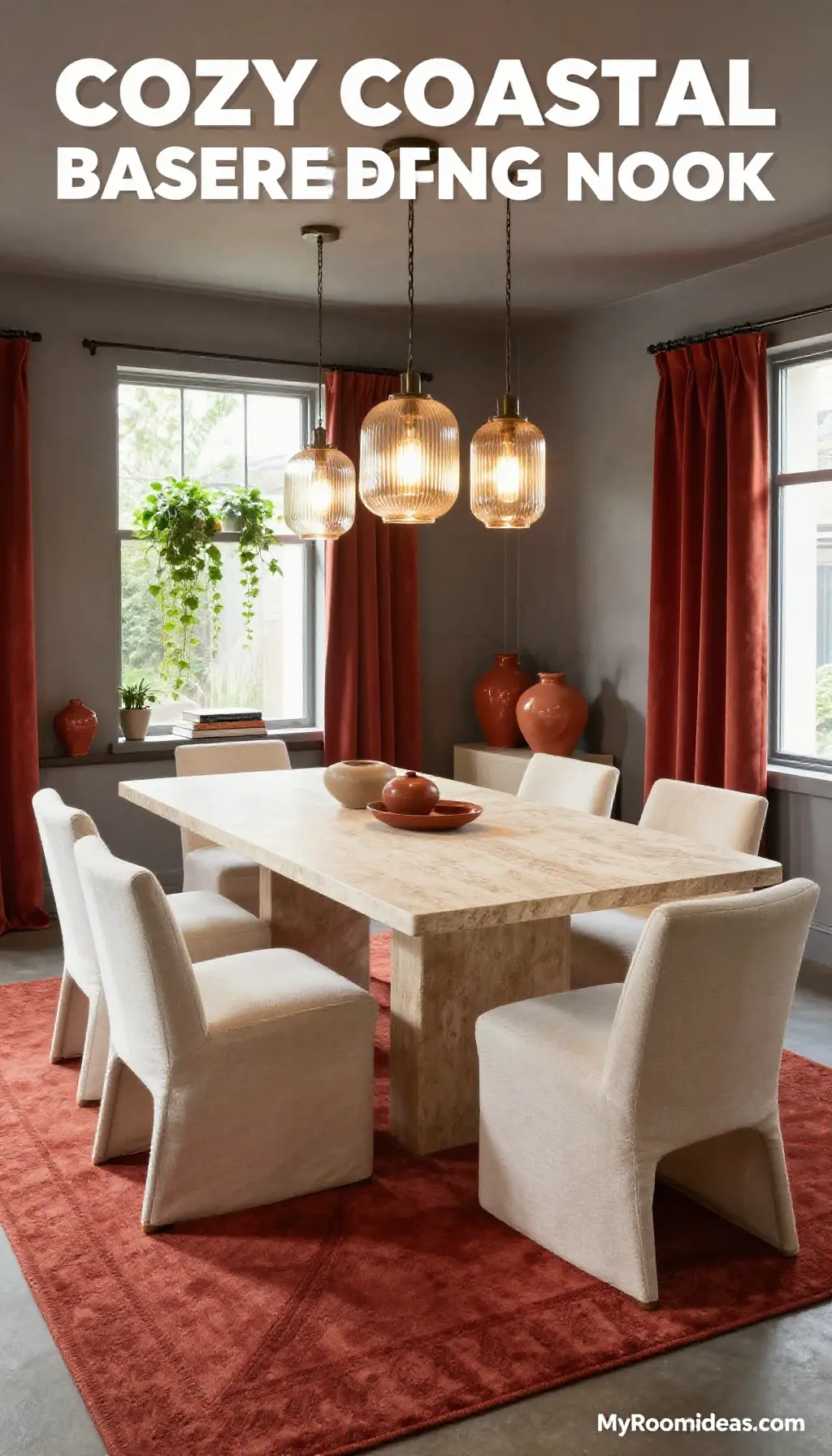
Imagine walking downstairs and being greeted by a basement dining room design that feels like a warm hug. We’re leaning hard into a soft industrial aesthetic that swaps out the harsh, cold metal for textures that actually make you want to stay a while. Think of it as a cozy coffee shop meets a high-end spa retreat. You’ve got the bones of an urban loft, but the soul of a beach house.
The secret sauce here is the unexpected marriage of warm gray and clay red. It’s a color palette that sounds like it shouldn’t work, but once you see that earthy, sun-baked red hitting a moody, sophisticated gray, it’s game over. It feels grounded, expensive, and surprisingly bright for a space that’s literally underground. It’s all about tricking the eye and soothing the soul.
We’re steering clear of the typical “beachy” tropes—no “Life is Better at the Beach” signs allowed here, friend. Instead, we’re using a stunning travertine table to anchor the room. It’s heavy, it’s tactile, and it feels like a literal piece of the earth. Pair that with some buttery linen chairs, and you’ve got a tactile paradise that makes a basement dining room design feel intentional, not just an afterthought.
Ready to turn that subterranean storage unit into a soft industrial masterpiece? Grab your favorite latte, and let’s dive into how we’re going to make this happen. Trust me, by the time we’re done, you’ll be finding excuses to host brunch every single Sunday downstairs.
Why This Vibe is Total Magic (And Why You Need It)
So, why are we seeing this specific look blowing up on Pinterest and in high-end design mags lately? It’s because we’re all collectively tired of clinical, all-white rooms that feel like an operating theater. We want soul! The “soft industrial” look takes the cool, structural elements we love—like exposed conduits or concrete floors—and wraps them in a cashmere sweater of organic materials.
The travertine is the real MVP here. In 2026, we’re seeing a massive shift toward “unfiltered” materials. People want stone that looks like stone, complete with the little pits, holes, and tonal shifts that tell a story. It brings an ancient, permanent energy to a basement suite. Psychologically, stone makes us feel safe and grounded, which is exactly what you want when you’re below ground level.
Then there’s the color psychology. Clay red is having a major moment because it’s a “new neutral.” It’s reminiscent of terracotta and Southwestern sunsets, providing a punch of warmth that fights off that basement chill. When you contrast it with a warm gray, you’re balancing fire with earth. The gray keeps the red from feeling overwhelming, while the red prevents the gray from looking like a rainy Tuesday in Seattle.
Finally, the coastal element comes in through the linen. Coastal isn’t just about anchors; it’s about a feeling of lightness. Linen chairs soften the hard lines of the industrial architecture and the stone table. It’s that effortless “I just woke up at a villa” texture that invites you to linger over a second glass of wine. It’s the ultimate “quiet luxury” move for your home.
The Palette: Clay, Cloud, and Everything In Between
If you get the colors wrong, your basement will either look like a dark cave or an unfinished garage. We want “sophisticated sanctuary.” Here is the exact breakdown of how to layer these tones like a pro.
The “Warm Gray” Foundation
For the walls, we aren’t doing a “boring office” gray. We need something with a drop of beige in it—what designers call “greige.” Use Sherwin-Williams Agreeable Gray (SW 7029) or Benjamin Moore Revere Pewter (HC-172). It’s the ultimate soft industrial backdrop. Hex Code: #D1CBC1.
The “Clay Red” Accent
This is where the personality lives. Don’t paint the whole room this color! Use it for a velvet curtain, a large piece of abstract art, or even a painted ceiling if you’re feeling spicy. Look at Benjamin Moore Terra Mauve (2102-30) or Sherwin-Williams Reddened Earth (SW 6053). It’s earthy, muted, and very 2026. Hex Code: #A36A5E.
The One-Color Trick
If you’re a minimalist and only want to pick one “vibe,” go for the warm gray on everything—walls, trim, and doors—but in different sheens (eggshell for walls, semi-gloss for trim). Then, let the travertine and linen provide the natural color. It’s a monochromatic dream that feels incredibly expensive without even trying.
Design Elements: The Splurge and the Save
Designing a basement dining nook is like building an outfit: you want a few designer pieces mixed with items that are just “good basics.” Here’s how to curate the look without blowing your entire 2026 travel budget.
The Showstopper Table
Since this is an investment piece, look for a travertine table with a chunky pedestal base. CB2 and West Elm have been killing the stone game lately, but you can also find vintage gems on Facebook Marketplace for a steal if you’re patient. The weight of the stone helps define the “nook” without needing a physical wall.
The Soft Seating
Your chairs should be the “yin” to the table’s “yang.” Choose linen chairs with a bit of a curve to break up the straight lines. IKEA has the Saksmyra or Bergmund with linen-look covers that are surprisingly robust. If you want to splurge, Maiden Home offers stunning performance linens that can handle a spilled pasta sauce like a champ.
The Lighting Secret
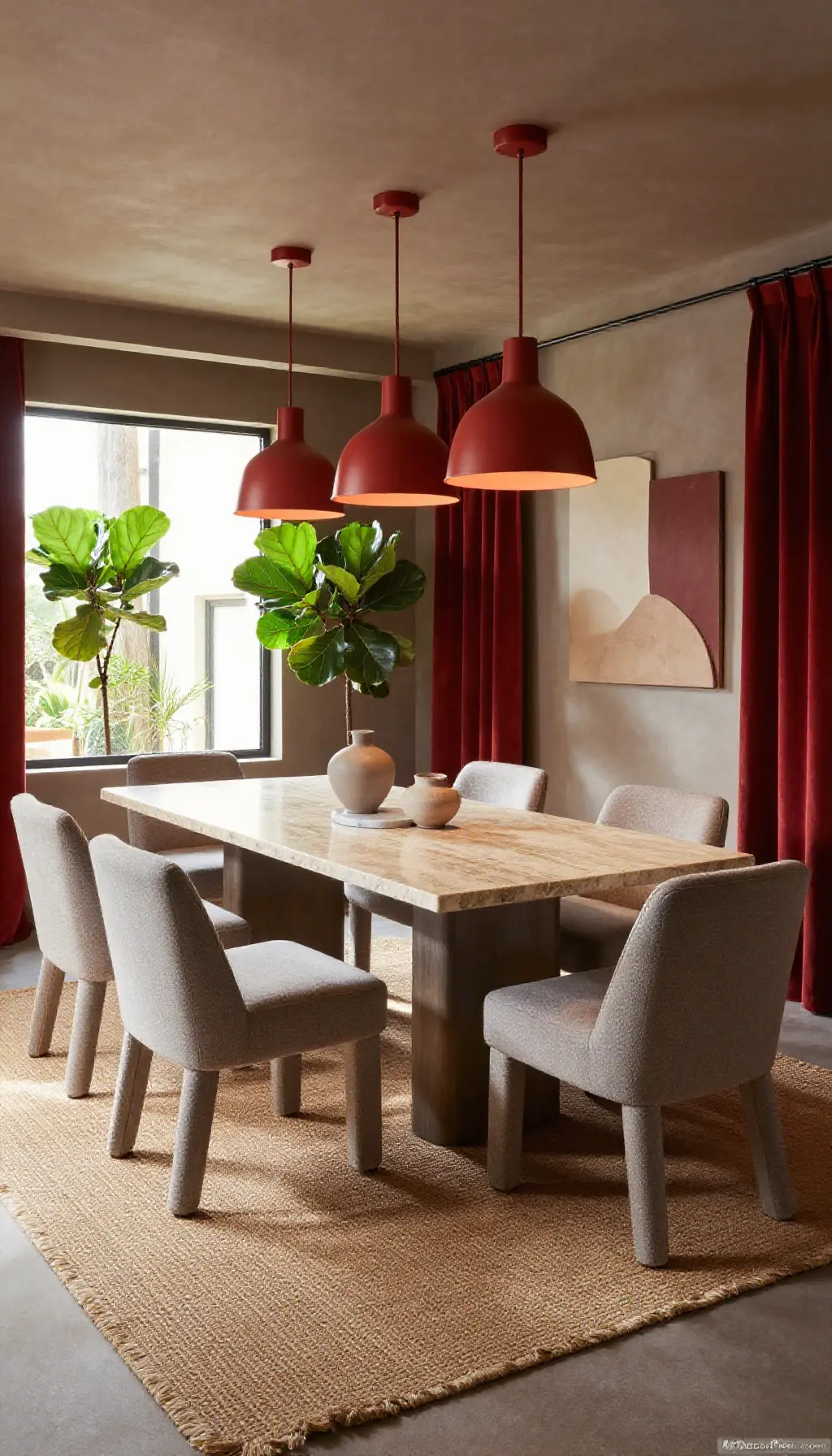
In a basement, your pendant lights are your best friends. They draw the eye upward and distract from a low ceiling. Go for something with an industrial vibe but a soft finish—like a blackened bronze dome or a textured clay oversized shade. Check out Anthropologie or Rejuvenation for lights that look like art pieces.
Step-by-Step: The Transformation Roadmap
- Clear the Decks (2 Hours): Move out the boxes and the “maybe I’ll use this one day” junk. You need a blank canvas to see the potential.
- The “Warm Gray” Wash (1 Weekend): Paint your walls. Since it’s a basement, don’t forget a high-quality primer to handle any moisture issues and make the color pop.
- Lightning Strike (3 Hours): Swap out that depressing boob light for your gorgeous new pendant lights. Pro tip: Hire an electrician if you aren’t 100% confident—nobody likes a sparkly surprise.
- The Heavy Lifting (1 Hour): Bring in the travertine table. Warning: these things are heavy. Bribery with pizza for two strong friends is highly recommended.
- The Linen Layering (30 Minutes): Unbox those linen chairs and set them around. If they’re a bit wrinkled from shipping, a quick hit with a handheld steamer makes them look 10x more expensive.
- Texture Time (1 Hour): Add a jute rug (for that coastal feel) and some clay red accents. A simple ceramic vase or a chunky knit throw over one chair does wonders.
- The Vibe Check (15 Minutes): Dim the lights, put on some lo-fi jazz, and see how the space feels. Adjust the table two inches to the left. Perfect.
The Smart Shopper’s Guide
You don’t need a million dollars to make this look like a million bucks. Here is how I’d spend the cash for a soft industrial masterpiece.
- The “I’m on a Budget” Picks (Under $100): Target’s Studio McGee line often has clay-toned ceramic vases and textured linen pillows that look incredibly high-end. Amazon is also great for “Edison” style LED bulbs to give your pendants that warm glow.
- The Mid-Range Magic ($100 – $500): IKEA is your go-to for the linen chairs. You can also find great industrial-style rugs at Ruggable (bonus: they’re washable, which is great for basement spills).
- The Splurge Pieces ($1,000+): Spend your money on the travertine table. A solid stone piece from a place like Lulu and Georgia or a custom local slab will be the heirloom piece your grandkids will fight over.
Common Pitfalls (Learn From My “Oops” Moments)
I’ve seen a lot of basement renovations go south. Here’s how to avoid the “sad cave” syndrome.
- The “Too Much Gray” Trap: If everything is gray, the room looks like a tomb. You must have those clay red and wood tones to bring the life back in.
- Ignoring the “Base” in Basement: Check for dampness before you put down a rug. There is nothing less “Coastal Chic” than the smell of mildew.
- Scale Fail: People often buy a table that’s too small for the space. In a basement design, a large, commanding table actually makes the room feel bigger, not smaller.
- Wrong Light Temperature: Never use “cool white” bulbs. It makes the soft industrial look feel like a hospital. Go for “Warm White” (around 2700K).
- Skipping the Greenery: Basements need plants. If you don’t have enough light for real ones, high-quality faux olive trees are your best friend.
FAQ: Everything You’re Itching to Ask
Q: Won’t a stone table feel too cold in a basement?
A: Visually, no! Travertine has a very warm, sandy undertone. To keep it physically warm, use a cozy rug underneath so your feet aren’t on cold floor while your knees are under the stone.
Q: Linen is so hard to clean, right?
A: Modern performance linen is a game-changer. Also, the slightly “rumpled” look of linen is part of the cozy coastal chic charm. It’s not supposed to look perfect!
Q: How do I handle a low basement ceiling with those big pendants?
A: Hang them slightly lower over the center of the table (about 30-34 inches above the tabletop). This creates an intimate “zone” and actually makes the ceiling height irrelevant.
Q: Can I mix this with other rooms in my house?
A: Absolutely! This vibe flows perfectly if you have living room design ideas that lean toward organic modernism or even kitchen design ideas with open shelving and natural stone.
Q: What’s the weirdest thing you’ve used for decor in a basement?
A: Once I used a surfboard leaning against a warm gray wall. It sounds crazy, but it totally nailed the coastal vibe without being cheesy!
Transforming your basement suite isn’t just about adding a table and chairs; it’s about reclaiming a part of your home that’s been overlooked. This basement dining room design proves that you don’t need a penthouse view to have a space that feels luxurious and deeply personal. With the right mix of clay red and warm gray, you’re creating a mood that’s both grounded and airy.
Remember, the goal is to create a space where you actually want to spend time. Whether it’s for a morning coffee or a late-night board game session, your soft industrial nook is going to be the most popular “room” in the house. For more inspiration on how to carry this aesthetic through your home, check out bedroom inspiration or even home office setup tips for that basement corner productivity.
You’ve got the vision, you’ve got the shopping list, and now you’ve got the “designer bestie” seal of approval. For more incredible home ideas, don’t miss out on the gorgeous galleries at The Pink Decor and The House Ideas. Now, go forth and make that basement beautiful—you’ve totally got this!